How to Use Skeletal Editing in Drug Discovery: Key Benefits & Applications

How to Use Skeletal Editing in Drug Discovery: Key Benefits & Applications

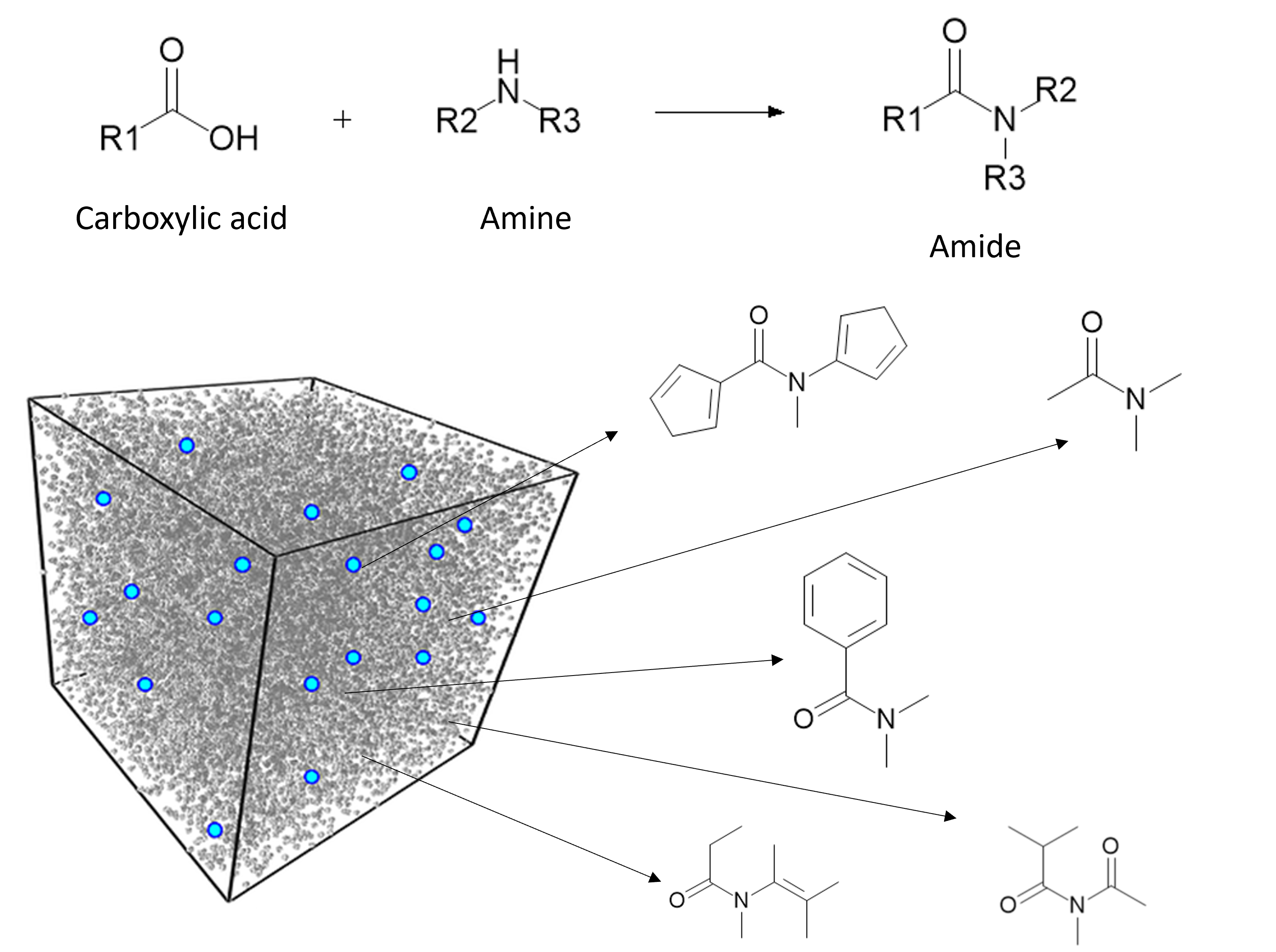
Drug discovery is a complex and resource-intensive process that involves synthesizing new compounds, often using well-established chemical reactions. While these methods have proven effective, there can be certain biases in the types of molecular structures they produce. For example, common reactions such as Suzuki or amide coupling tend to favor specific molecular frameworks, potentially limiting…
How to Build Virtual Chemical Libraries with Fragment Analogues: ChemX

How to Build Virtual Chemical Libraries with Fragment Analogues: ChemX

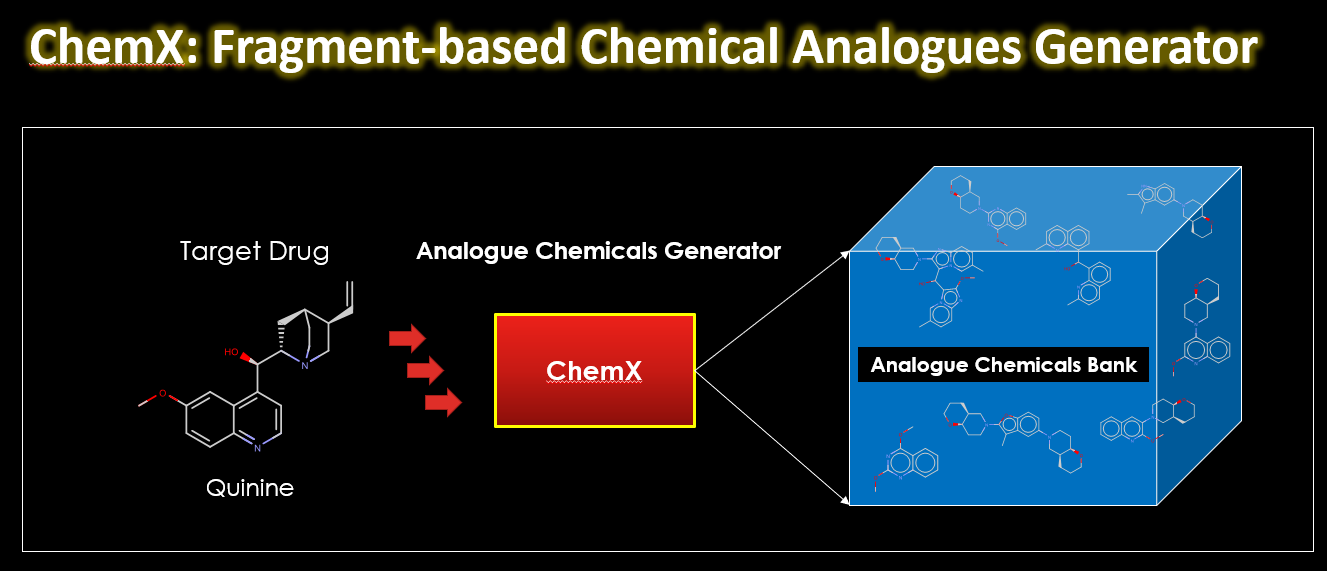
Introduction I want to introduce you to ChemX, a Python-based program I developed during a hackathon in 2019. You can use it to build virtual chemical libraries using fragment analogues to the building blocks of the target molecule. Using the RDKit library, ChemX assembles chemically similar fragments to create a virtual chemical library. What ChemX…

RDKit_2D Descriptors in Python – Part 4

This is part-4 from the five-part series tutorial of the blog post, Computing Molecular Descriptors – Intro, in the context of drug discovery. The goal of this post to explain the python code on computing 2D RDKit descriptors and exporting them as CSV files. First, install the required library packages using miniconda. The code for RDKit_2D class that…